
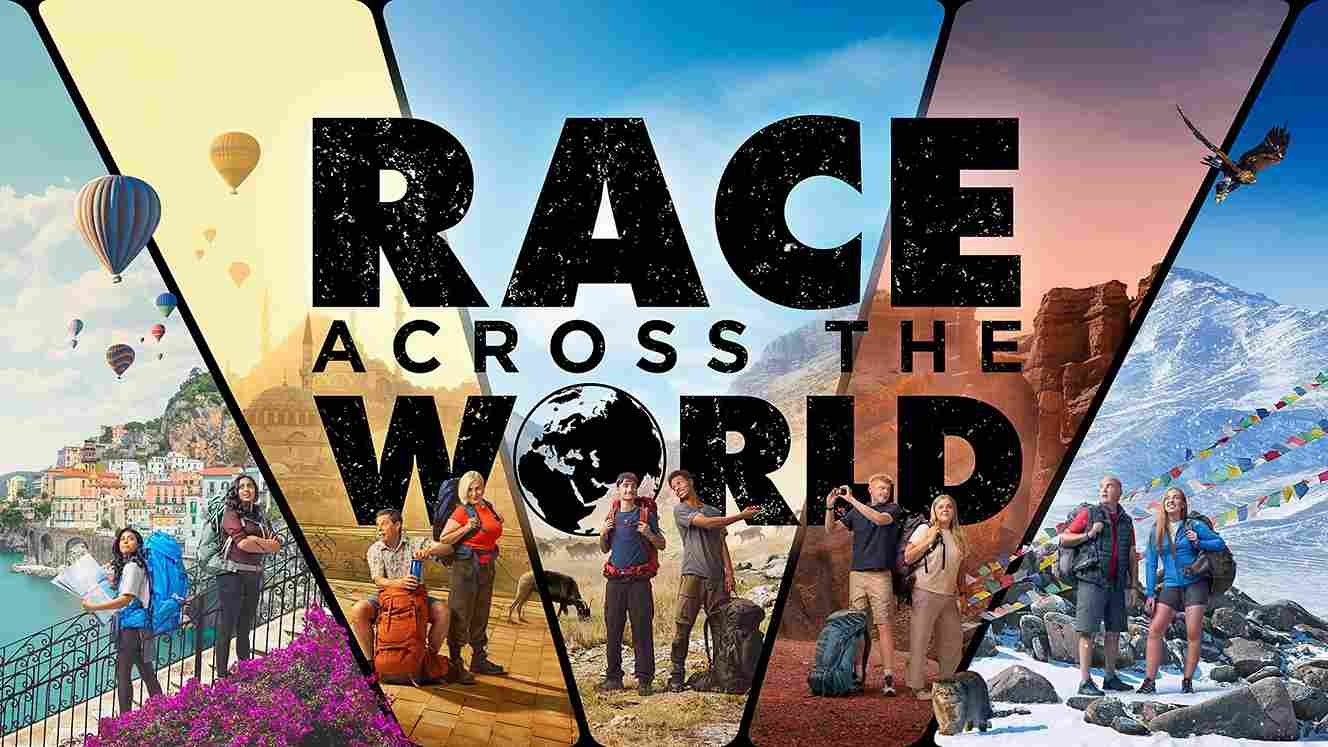
Series 6 of Race Across the World is underway — and it’s being hailed as the most extreme edition yet. Five pairs are racing 12,000 km (7,500 miles) from the sun-drenched streets of Palermo, Sicily, to the remote shores of Lake Khövsgöl in northern Mongolia.
They’re following in the footsteps of ancient Silk Road traders, but without smartphones, credit cards, or flights — just a tiny daily budget and each other.
This isn’t just another adventure. It’s a punishing test of endurance, adaptability, and relationships pushed to the limit. Here’s exactly why this route stands out as the toughest yet.
Quick Reference: Series 6 at a Glance
| Aspect | Details |
|---|---|
| Distance | 12,000 km / 7,500 miles |
| Start | Palermo, Sicily, Italy |
| Finish | Hatgal, Lake Khövsgöl, Mongolia |
| Countries | 8 (Italy, Greece, Türkiye, Georgia, Kazakhstan, Uzbekistan, Kyrgyzstan, Mongolia) |
| Temperature Swing | +30°C (Mediterranean) to -20°C (Mongolia) |
| Daily Budget | Less than £26 per person |
| Format | 8 legs, no flights, no phones |
| Prize | £20,000 for the first pair to finish |
The Route Breakdown
The journey retraces historic Silk Road paths across vast, unforgiving landscapes. Contestants begin in lively, tourist-filled Palermo before heading across the Adriatic to Greece, through the cultural crossroads of Türkiye and the Caucasus (Georgia), then deep into the steppes and deserts of Central Asia (Kazakhstan, Uzbekistan, Kyrgyzstan), and finally into the wilds of northern Mongolia.
Each leg brings new challenges: busy ferry ports, remote mountain passes, endless steppes with limited transport, and language barriers that grow steeper the further east they go.
Why This Silk Road Route Is the Most Brutal Yet
1. Extreme Temperature Whiplash
Contestants start in Mediterranean heat reaching 30°C+ in Sicily and Greece. By the final legs in Mongolia, they face subarctic conditions dropping to -20°C or lower, especially around Hatgal near the Russian border. Packing for both extremes in one backpack is a logistical nightmare — and the show’s timing (filmed in autumn) means they hit the Mongolian winter transition head-on.
2. Massive Distances & Isolation
At 12,000 km, this is one of the longest routes in the show’s history. Huge overland stretches in Central Asia mean days on slow buses, hitchhiking, or trains with few alternatives. Remote areas offer limited accommodation, food options, and help if things go wrong.
3. Harsh & Unpredictable Landscapes
From Mediterranean islands to Turkish mountains, Georgian valleys, Kazakh steppes, Uzbek deserts, Kyrgyz highlands, and finally the frozen Mongolian taiga — the terrain is constantly changing. Exposure, navigation without GPS, and dealing with altitude, dust, or snow test physical limits daily.
4. Cultural & Logistical Barriers
Eight countries mean eight languages, currencies, border crossings, and customs. Visa rules, varying infrastructure, and cultural shocks add layers of complexity. What works in Italy rarely works in rural Kyrgyzstan or northern Mongolia.
5. Brutal Budget Pressure
Teams receive around £1,297 per person total — roughly £23–26 per day. This must cover all food, transport, and accommodation for the entire race. Every choice (bus vs. shared taxi, street food vs. supermarket) has consequences, turning every day into a strategic survival game.
6. Physical & Mental Toll on Relationships
Constant stress, exhaustion, hunger, and cold amplify every disagreement. With no phones to escape into and no privacy on long journeys, pairs see each other at their absolute worst — and best.
What Producers & Contestants Are Saying
BBC and Studio Lambert have described Series 6 as “the most extreme race to date.” The deliberate swing from European comfort to Central Asian remoteness and Mongolian harshness was designed to create maximum challenge and storytelling.
Contestants have spoken about the shock of the budget and the reality of sleeping rough or in basic homestays after weeks on the road.
Could You Survive the Silk Road Race?
Key skills needed:
- Resourcefulness and calm under pressure
- Basic map reading and negotiation
- Budgeting and compromise with your partner
- Adaptability to extreme weather and cultures
The winners won’t necessarily be the most experienced travellers — they’ll be the most resilient pair who can keep going when everything feels impossible.
How long does the full race take?
Around 7–8 weeks (51 days in total for Series 6).
Is this the longest route ever?
It’s one of the longest and most extreme in terms of distance and climate variation.
What’s the coldest part?
The final stages in northern Mongolia around Hatgal, where temperatures can plummet well below freezing.
Why Series 6 Is Must-Watch TV
This Silk Road route delivers everything fans love about Race Across the World — but dialled up. The vast scale, dramatic climate shifts, and raw human stories make it feel truly epic.
Watch Series 6 on BBC One and iPlayer (Thursdays at 8pm).
Thinking of applying for Series 7? Check our full application guide — applications close 8 May 2026.
Tag your ultimate travel partner below — could you handle 12,000 km of the Silk Road together?